
Tracking the Endangered Ethiopian Wolf Across the Afro-Alpine Sanetti Plateau
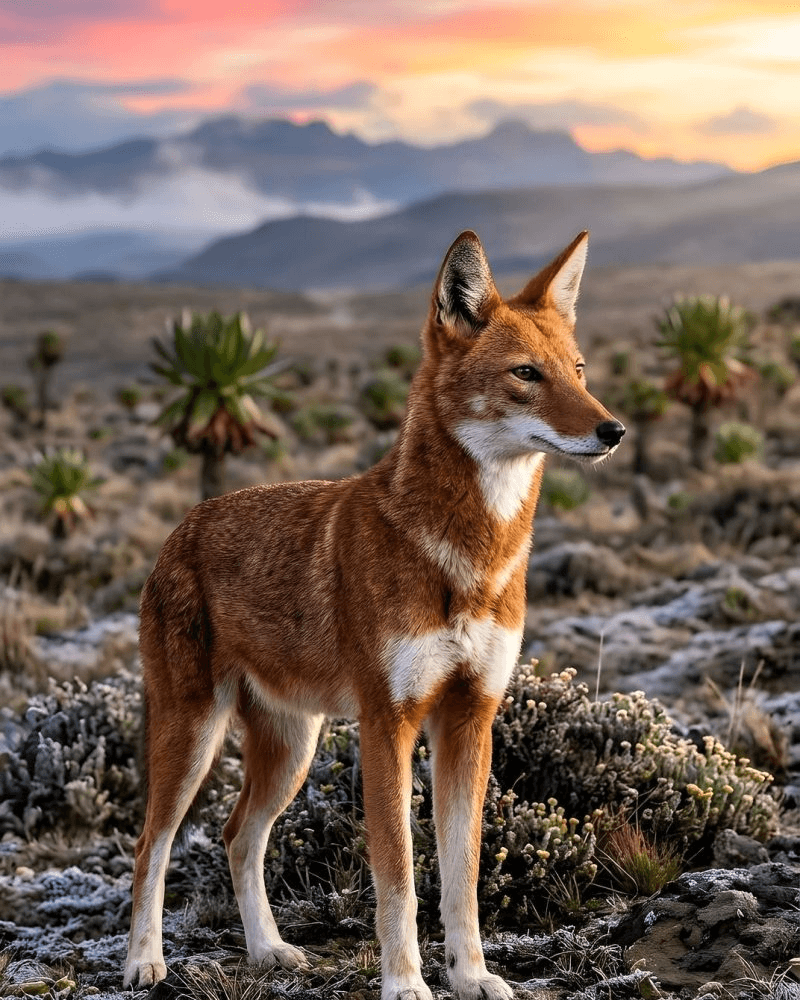
At 4,000 meters above sea level, Bale Mountains hosts more than half of the world’s surviving Ethiopian wolves. Here is what it feels like to track these amber-coated hunters with our specialist wildlife guides.
Gizework
Highland Naturalist & Wildlife Spotter
Key Takeaways
- Bale Mountains National Park preserves the highest density of Ethiopian wolves on the planet (fewer than 500 individuals remain worldwide).
- The Sanetti Plateau features Africa’s largest continuous afro-alpine moorland, dominated by bizarre 5-meter Giant Lobelias.
- Descending the escarpment into the southern Harenna Forest leads into an emerald cloud forest known for wild forest coffee, Bale monkeys, and lions.
- Bring a telephoto lens (300mm to 600mm) for crisp, ethical wildlife photography from a respectful distance.
An Alien Landscape at 4,000 Meters
Guide's Field Tip
“Mornings between 7:30 AM and 10:30 AM are prime hunting hours for the wolves as diurnal rodents emerge from their burrows.”
From Alpine Plateau to Moss-Draped Cloud Forest
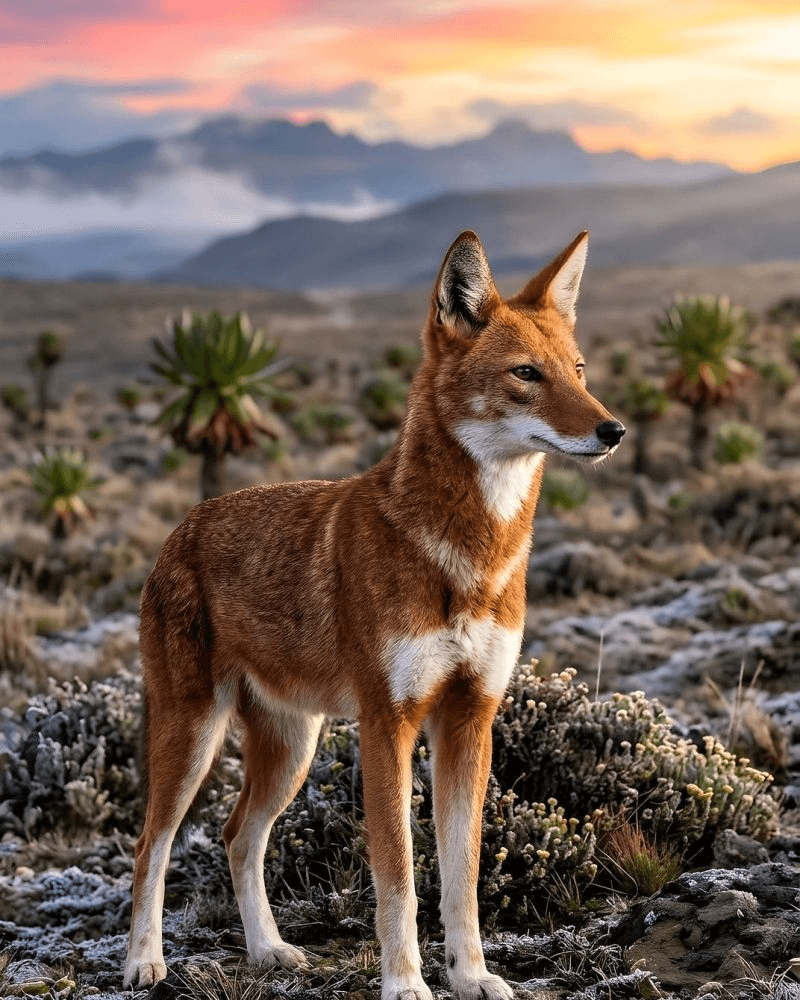
A male Mountain Nyala, another majestic mammal endemic to the Bale highlands.
Conservation & Community Stewardship
Key Takeaways
• Bale Mountains National Park preserves the highest density of Ethiopian wolves on the planet (fewer than 500 individuals remain worldwide).
• The Sanetti Plateau features Africa’s largest continuous afro-alpine moorland, dominated by bizarre 5-meter Giant Lobelias.
• Descending the escarpment into the southern Harenna Forest leads into an emerald cloud forest known for wild forest coffee, Bale monkeys, and lions.
• Bring a telephoto lens (300mm to 600mm) for crisp, ethical wildlife photography from a respectful distance.
An Alien Landscape at 4,000 Meters
Standing upon the Sanetti Plateau feels like walking across an ancient planetary expanse. The air is razor-thin, cold winds whistle through fields of giant lobelias with rosettes like sentinels, and glacial lakes gleam silver beneath high-altitude clouds.
This is the stronghold of Canis simensis, the Ethiopian Wolf. Unlike grey wolves, Ethiopian wolves hunt alone during daylight hours, pouncing on giant mole-rats with cat-like agility. Their russet coat and vivid white markings make them unmistakable against the muted lichens and mosses of the plateau.
Guide’s Field Tip: Mornings between 7:30 AM and 10:30 AM are prime hunting hours for the wolves as diurnal rodents emerge from their burrows.
From Alpine Plateau to Moss-Draped Cloud Forest
One of the greatest biological transitions in Africa occurs in Bale within a single 90-minute drive. From the frost-bitten heights of Sanetti (4,100m), the road tumbles over the southern escarpment down into the Harenna Forest.
Suddenly the world transforms from austere tundra to a dense, humid cloud forest where giant trees are draped in Spanish moss and hanging orchids. Here, local Oromo farmers harvest wild forest coffee beans, and rare Bale monkeys swing quietly through the bamboo thickets.
Conservation & Community Stewardship
Because rabies and habitat fragmentation remain critical threats to the Ethiopian Wolf, our expeditions work directly with local park scouts, veterinary researchers, and community rangers. Traveling with an ethical operator ensures that park entry fees and guide wages directly fund anti-poaching patrols and community livestock vaccination programs.
Bale Mountains Wildlife Safari & Cloud Forest
Handcrafted private expeditions in Bale Mountains National Park with certified local guides, private 4x4 vehicles, and complete logistical support.
More Stories from the Field
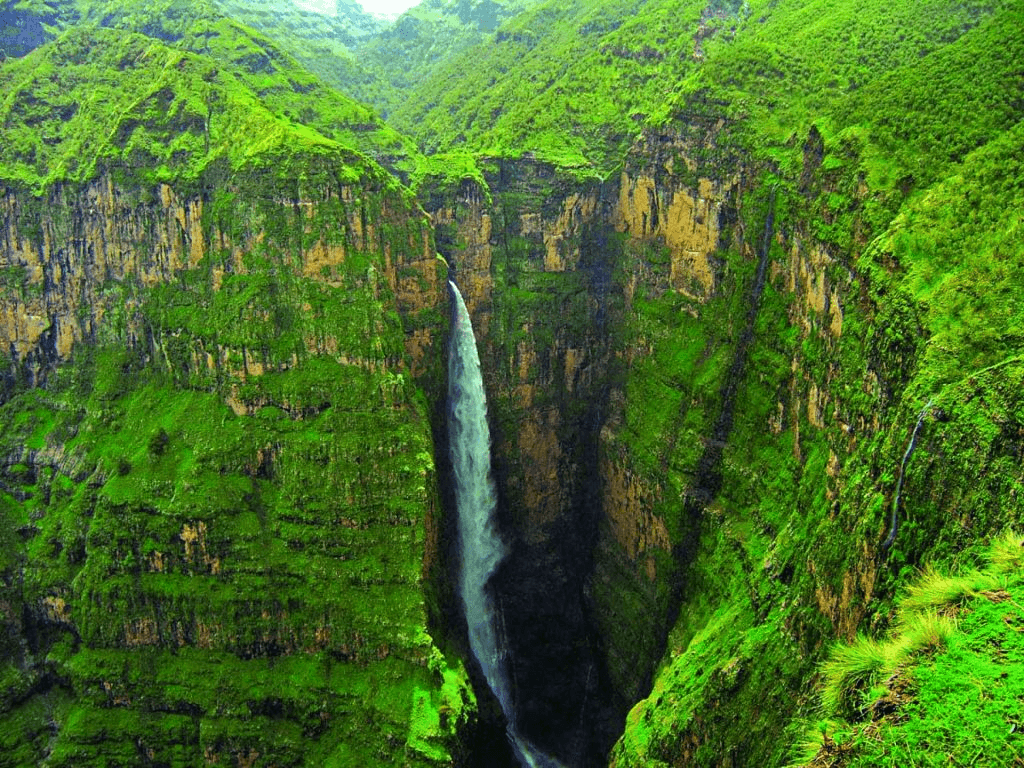
The Definitive Guide to Trekking the Simien Mountains: Peaks, Pinnacles & Gelada Troops
Trekking through the Simien Mountains is one of the world’s most cinematic wilderness experiences. Here is our field guide on routes, altitude acclimatization, wildlife encounters, and essential gear.
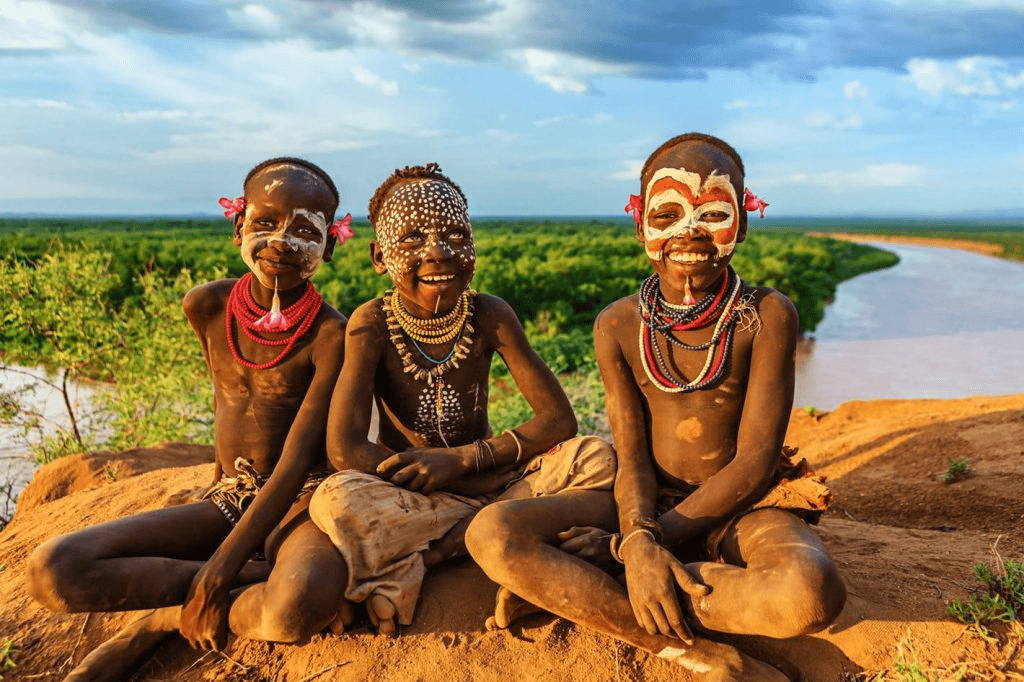
Visiting Ethiopia’s Omo Valley: A Responsible Guide to Living Cultures
The Omo Valley is home to extraordinary cultural diversity. This guide covers etiquette, photography consent, market days, and how to choose an operator that pays communities fairly.
The Ethiopian Coffee Ceremony: Ritual, Roast, and the Birthplace of Arabica
Ethiopia is where Coffea arabica was born. The ceremony is more than a drink: it is an invitation, a pause, and a social contract. Here is what to expect and how to take part gracefully.