
Visiting Ethiopia’s Omo Valley: A Responsible Guide to Living Cultures
The Omo Valley is home to extraordinary cultural diversity. This guide covers etiquette, photography consent, market days, and how to choose an operator that pays communities fairly.
Gizework
Founder & Expedition Director
Key Takeaways
• Always ask before photographing people, and agree on any payment before you raise a camera.
• Market days rotate between towns; an experienced local guide will match your route to the right market.
• Support communities through fair operator fees, local guides, and purchases made directly from artisans.
• Treat villages as homes rather than attractions: dress modestly, ask permission, and never hand out sweets or money to children.
A Region of Many Nations
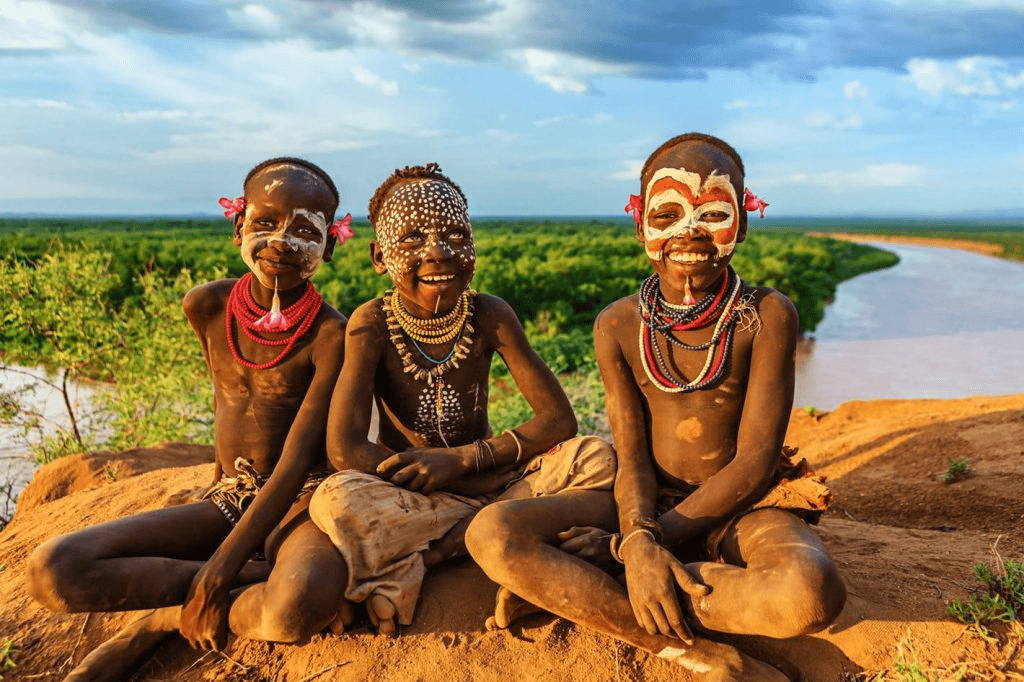
The Lower Omo Valley is one of the most culturally diverse places on the African continent. Within a few hours’ drive you can meet Hamer, Mursi, Karo, Bana, Bashada, Nyangatom, and Dassanech communities, each with distinct languages, body art traditions, and seasonal ceremonies.
This is not a theme park. Families live here, herd cattle, cultivate sorghum, and navigate the pressures of a rapidly changing region. The best visits are quiet, conversational, and arranged through people who live in the valley.
Guide’s Field Tip: Travel with a guide who speaks the local language and has long-standing relationships in each village. It changes the entire tone of a visit.
Photography, Consent, and Fair Exchange
Photography is a genuine source of tension in the Omo Valley. Some communities welcome portrait sessions; others find casual snapping disrespectful. The ethical baseline is simple: ask first, accept a no, and agree on payment before shooting.
A fair model is to pay for the time and access through a trusted guide or community representative, rather than pressing cash into individual hands. This keeps expectations consistent and ensures support reaches the wider community.
Markets, Ceremonies, and Timing Your Visit
The weekly markets at Key Afer, Dimeka, Turmi, and Omorate are extraordinary social hubs. They are also working spaces. Ask before photographing produce, livestock, or people, and buy something small from the vendors you spend time with.
Cultural ceremonies such as bull-jumping are sacred rites, not performances. If you are invited, dress respectfully, follow your guide’s instructions, and put the camera away when asked.
Guide’s Field Tip: Carry small notes rather than large bills, and let your guide handle payments so community expectations stay fair and transparent.
Trek with our local Ethiopian guides
Join our certified guides on fully outfitted expeditions with private car transfers, camp chefs, and pack mules.
More Stories from the Field
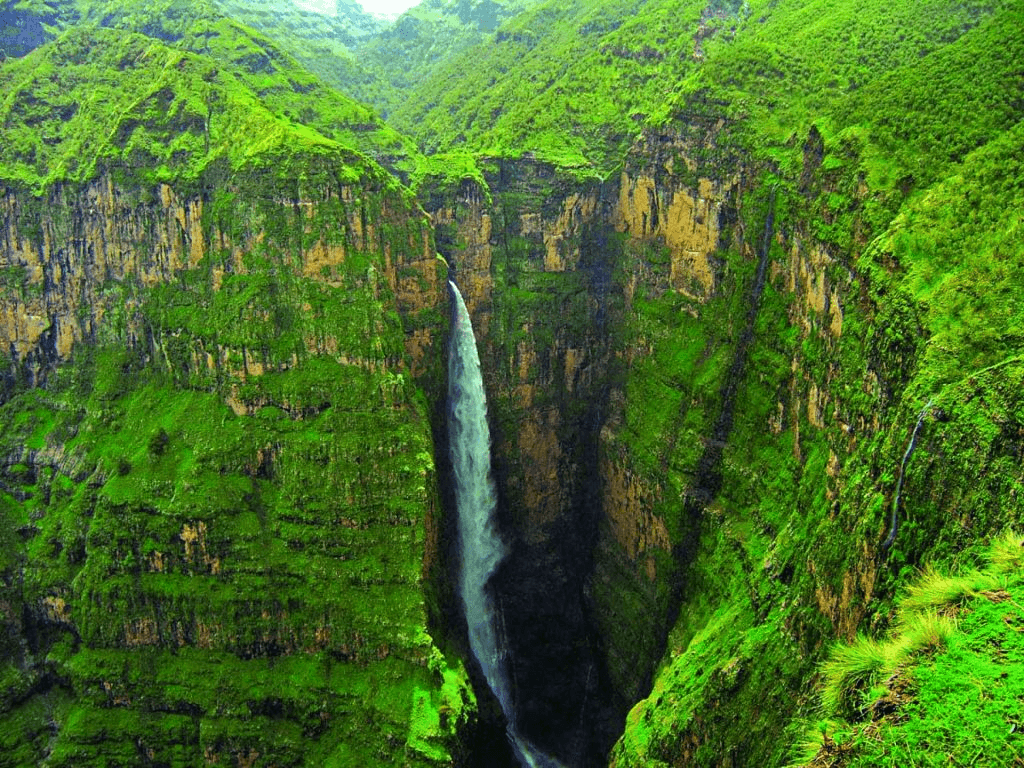
The Definitive Guide to Trekking the Simien Mountains: Peaks, Pinnacles & Gelada Troops
Trekking through the Simien Mountains is one of the world’s most cinematic wilderness experiences. Here is our field guide on routes, altitude acclimatization, wildlife encounters, and essential gear.
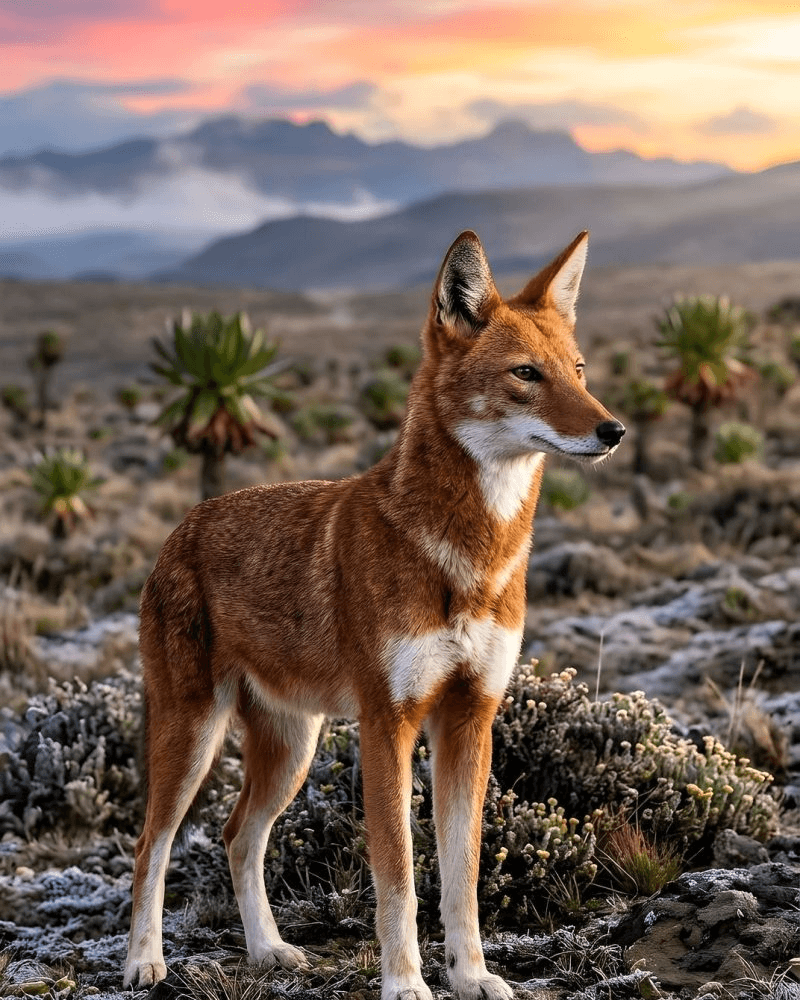
Tracking the Endangered Ethiopian Wolf Across the Afro-Alpine Sanetti Plateau
At 4,000 meters above sea level, Bale Mountains hosts more than half of the world’s surviving Ethiopian wolves. Here is what it feels like to track these amber-coated hunters with our specialist wildlife guides.
The Ethiopian Coffee Ceremony: Ritual, Roast, and the Birthplace of Arabica
Ethiopia is where Coffea arabica was born. The ceremony is more than a drink: it is an invitation, a pause, and a social contract. Here is what to expect and how to take part gracefully.