
The Definitive Guide to Trekking the Simien Mountains: Peaks, Pinnacles & Gelada Troops
Trekking through the Simien Mountains is one of the world’s most cinematic wilderness experiences. Here is our field guide on routes, altitude acclimatization, wildlife encounters, and essential gear.
Gizework
Founder & Lead Mountain Guide
Key Takeaways
- Optimal trekking window runs from October through March for dry trails, crisp visibility, and lush post-monsoon flora.
- Allow at least 24 to 48 hours of acclimatization in Gondar (2,133m) or Debark (2,850m) before pushing past Sankaber camp.
- A warm 4-season sleeping bag (-10°C rating) and layered windproof outerwear are strictly necessary as night temperatures frequently drop below freezing.
- Imet Gogo (3,926m) offers perhaps the single most dramatic 360-degree viewpoint in all of East Africa.
Why the Simien Range Captivates Trekkers Worldwide
Guide's Field Tip
“Never approach Geladas aggressively or offer food. If you sit quietly on a rock, troop members will often feed calmly within arms’ reach.”
Signature Routes: From 3-Day Highlights to the Ras Dashen Traverse
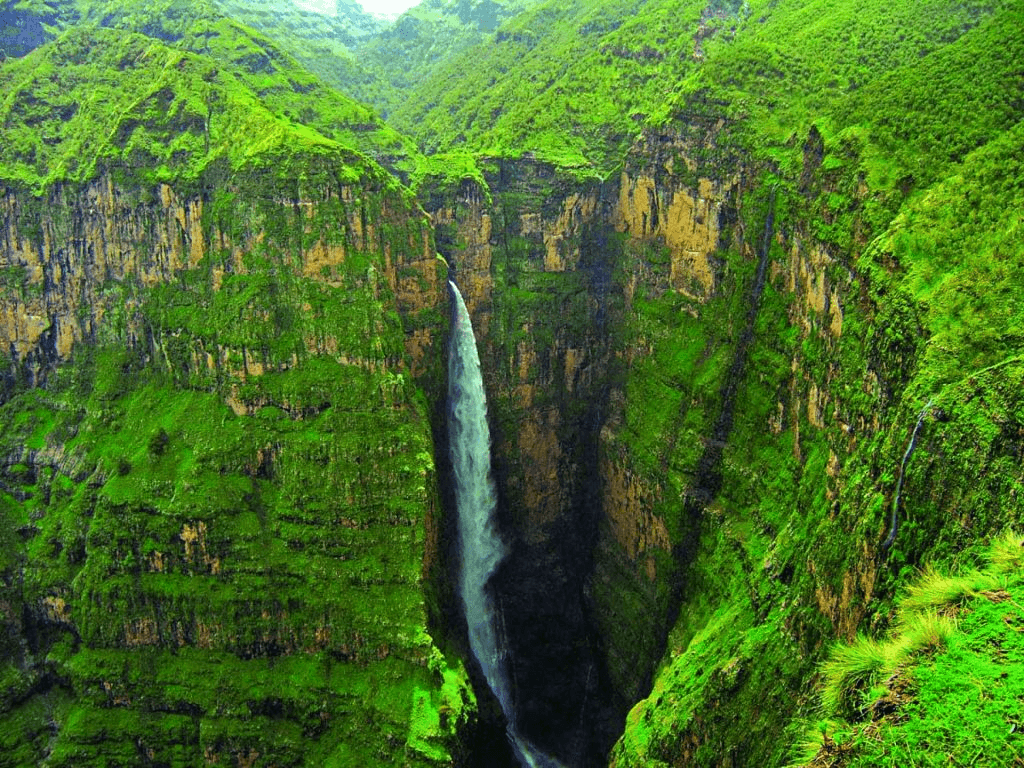
The knife-edge cliffs and deep canyons surrounding Imet Gogo at dawn.
Managing Altitude & Cold Nights in Highland Camps
Guide's Field Tip
“Our camp crews carry fresh local food, pressurized hot water bottles for sleeping bags, and medical oxygen kits on all high-altitude itineraries.”
Highland Wildlife: The Big Three
Key Takeaways
• Optimal trekking window runs from October through March for dry trails, crisp visibility, and lush post-monsoon flora.
• Allow at least 24 to 48 hours of acclimatization in Gondar (2,133m) or Debark (2,850m) before pushing past Sankaber camp.
• A warm 4-season sleeping bag (-10°C rating) and layered windproof outerwear are strictly necessary as night temperatures frequently drop below freezing.
• Imet Gogo (3,926m) offers perhaps the single most dramatic 360-degree viewpoint in all of East Africa.
Why the Simien Range Captivates Trekkers Worldwide
Rising sharply out of the northern Ethiopian plateau, the Simien Mountains form a fortress of sheer volcanic escarpments dropping over a vertical kilometer into river valleys below. It is no wonder UNESCO designated this wilderness among its very first World Heritage Sites in 1978.
Walking along these ridges, you are surrounded by ancient basalt formations weathered over millions of years. But what sets the Simiens apart from other major mountain ranges—such as the Alps or the Andes—is the sheer intimacy of the wildlife encounters. Within hours of leaving Debark, trekkers regularly walk right into hundreds-strong troops of Gelada baboons grazing peacefully on endemic fescue grasses, paying no heed to quiet human observers.
Guide’s Field Tip: Never approach Geladas aggressively or offer food. If you sit quietly on a rock, troop members will often feed calmly within arms’ reach.
Signature Routes: From 3-Day Highlights to the Ras Dashen Traverse
Depending on your available schedule and physical endurance, several classic circuits traverse the park:
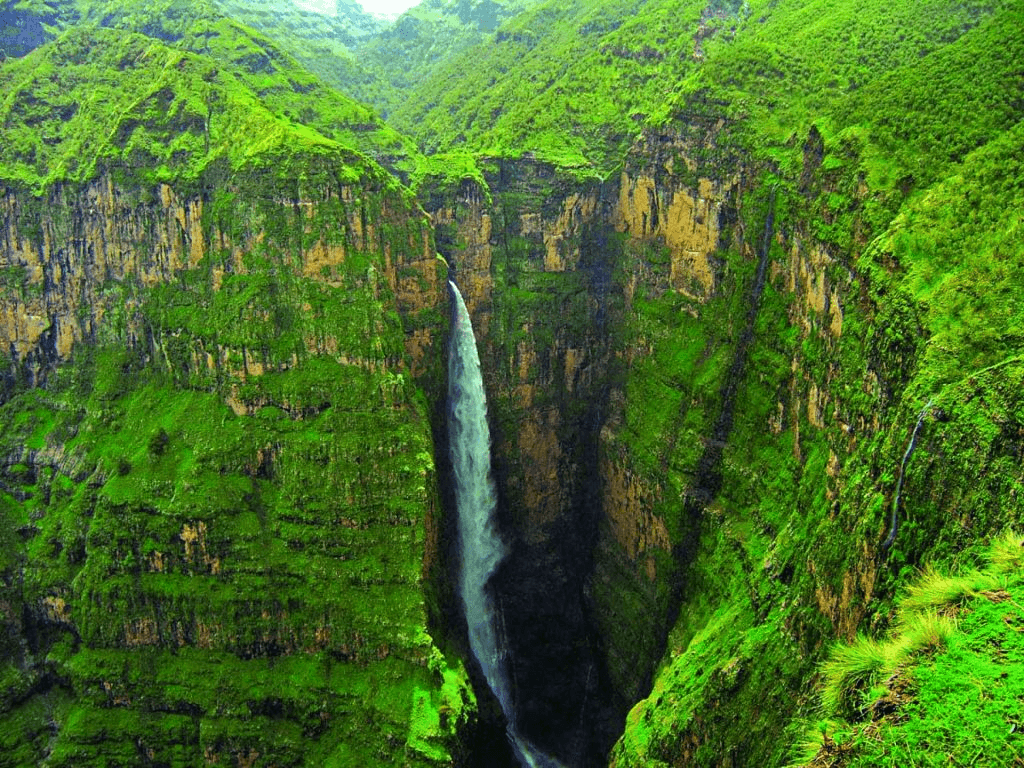
• **The Highlights Circuit (3–4 Days):** Sankaber – Geech – Imet Gogo – Chennek. This is the crown jewel route for photographers and travelers with limited time. It delivers the famous Jinbar Waterfall plunge, the panoramic spires of Imet Gogo at sunrise, and frequent sightings of the endemic Walia Ibex on the crags of Chennek.
• **The Ras Dashen Summit Expedition (7–9 Days):** Chennek – Ambiko – Ras Dashen (4,543m) – Chiro Leba. This rigorous high-altitude trek pushes beyond the main escarpment, traversing deep gorges and remote farming hamlets before tackling the rocky scramble to the highest peak in Ethiopia.
Managing Altitude & Cold Nights in Highland Camps
Camps in the Simiens range between 3,250 meters (Sankaber) and 3,650 meters (Geech and Chennek), with Ambiko base camp situated at 3,200 meters. Even in the dry season, diurnal temperature swings can be extreme: afternoons reach a pleasant 22°C (72°F) under bright sun, while nights regularly plummet to -5°C (23°F) with frost coating your tent.
Acclimatization cannot be rushed. Drink at least 3 to 4 liters of purified water daily, maintain a steady "pole pole" pace on steep climbs, and ensure your layering system includes merino base layers, a fleece mid-layer, and a high-loft down jacket.
Guide’s Field Tip: Our camp crews carry fresh local food, pressurized hot water bottles for sleeping bags, and medical oxygen kits on all high-altitude itineraries.
Highland Wildlife: The Big Three
The Simien ecosystem is home to three iconic endemic species found nowhere else on earth:
1. **The Gelada "Bleeding Heart" Monkey:** Strictly grass-eating primates with distinctive golden capes and crimson chest patches. 2. **The Walia Ibex:** A magnificent wild mountain goat with sweeping ridged horns that navigates vertical cliffs around Chennek and Mount Bwahit. 3. **The Ethiopian Wolf:** The world's most endangered canid. While more numerous in Bale, small shy populations still patrol the afro-alpine moorlands of the upper Simien plateaus.
5-Day Simien Mountains Trekking & Gelada Baboons Safari
Handcrafted private expeditions in Simien Mountains National Park with certified local guides, private 4x4 vehicles, and complete logistical support.
More Stories from the Field
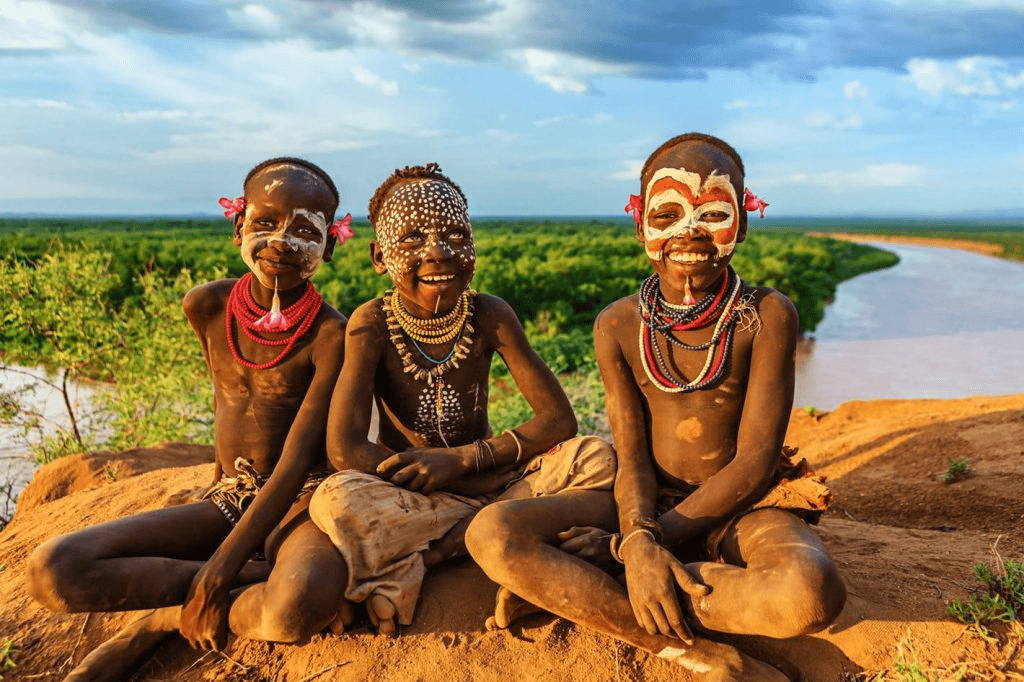
Visiting Ethiopia’s Omo Valley: A Responsible Guide to Living Cultures
The Omo Valley is home to extraordinary cultural diversity. This guide covers etiquette, photography consent, market days, and how to choose an operator that pays communities fairly.
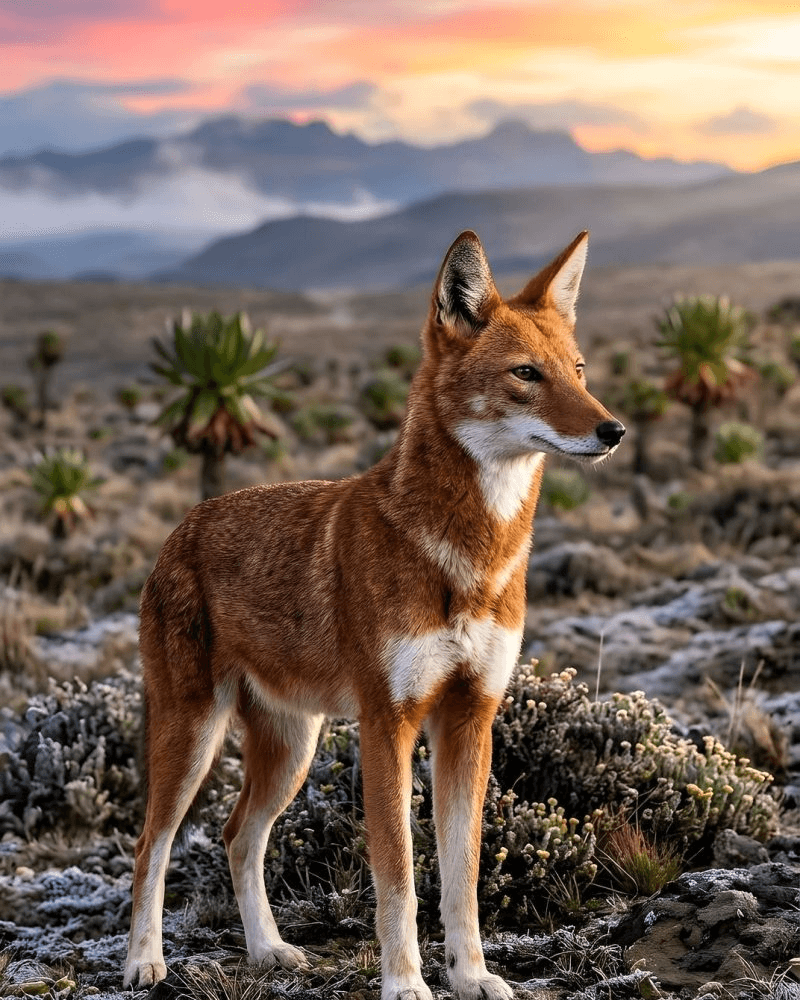
Tracking the Endangered Ethiopian Wolf Across the Afro-Alpine Sanetti Plateau
At 4,000 meters above sea level, Bale Mountains hosts more than half of the world’s surviving Ethiopian wolves. Here is what it feels like to track these amber-coated hunters with our specialist wildlife guides.
The Ethiopian Coffee Ceremony: Ritual, Roast, and the Birthplace of Arabica
Ethiopia is where Coffea arabica was born. The ceremony is more than a drink: it is an invitation, a pause, and a social contract. Here is what to expect and how to take part gracefully.