
The Ethiopian Coffee Ceremony: Ritual, Roast, and the Birthplace of Arabica
Ethiopia is where Coffea arabica was born. The ceremony is more than a drink: it is an invitation, a pause, and a social contract. Here is what to expect and how to take part gracefully.
Gizework
Founder & Expedition Director

Key Takeaways
• The ceremony is traditionally three rounds: abol, tona, and baraka, each with a slightly different strength.
• Green beans are washed, roasted over charcoal, and walked around the room so guests can bless the smoke with their hands.
• Accepting a cup is a gesture of respect. Keep your right hand free and wait for your host to invite you.
• The forest coffee of Kaffa and Bale is a living link to wild arabica genetics.
More Than a Coffee Break
A traditional Ethiopian coffee ceremony begins with green beans, a small charcoal brazier, and a wash of fresh grass or flowers on the floor. The host roasts the beans in a flat pan, shaking them until they darken and crackle, then carries the smoking pan around the room.
Guests wave the smoke toward their faces and murmur approval. The beans are ground, brewed in a clay jebena, and poured in a slow, deliberate stream into tiny cups.
Guide’s Field Tip: If a host offers you coffee, accept at least the first cup. Refusing entirely can read as a rejection of hospitality.
The Three Rounds
The ceremony unfolds in three rounds. Abol is the first and freshest pour; tona is the second, often considered the sweet spot; baraka is the third, lighter but symbolic. The final round carries a blessing: the word itself suggests gratitude and good fortune.
Conversation is the real center of the ritual. Business deals, family news, and village decisions are all discussed over these cups. Budget at least an hour, and leave your phone in your pocket.
Where Coffee Still Grows Wild
Arabica coffee originated in the Ethiopian highlands, and wild populations still grow in the cloud forests of Kaffa and parts of Bale. Travelers who want to understand the full story can combine a coffee ceremony in Addis Ababa with a forest walk near Bonga or the Harenna Forest.
Buying locally roasted beans from a small cooperative is one of the most direct ways to support the communities that protect these forests.
Trek with our local Ethiopian guides
Join our certified guides on fully outfitted expeditions with private car transfers, camp chefs, and pack mules.
More Stories from the Field
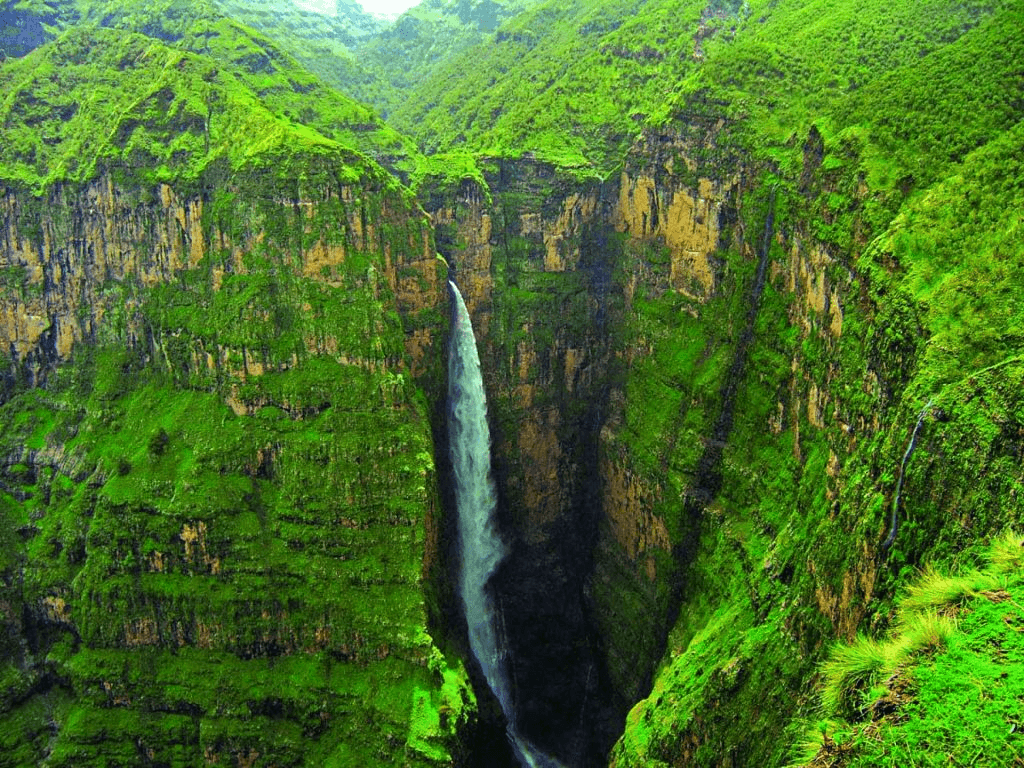
The Definitive Guide to Trekking the Simien Mountains: Peaks, Pinnacles & Gelada Troops
Trekking through the Simien Mountains is one of the world’s most cinematic wilderness experiences. Here is our field guide on routes, altitude acclimatization, wildlife encounters, and essential gear.

Visiting Ethiopia’s Omo Valley: A Responsible Guide to Living Cultures
The Omo Valley is home to extraordinary cultural diversity. This guide covers etiquette, photography consent, market days, and how to choose an operator that pays communities fairly.
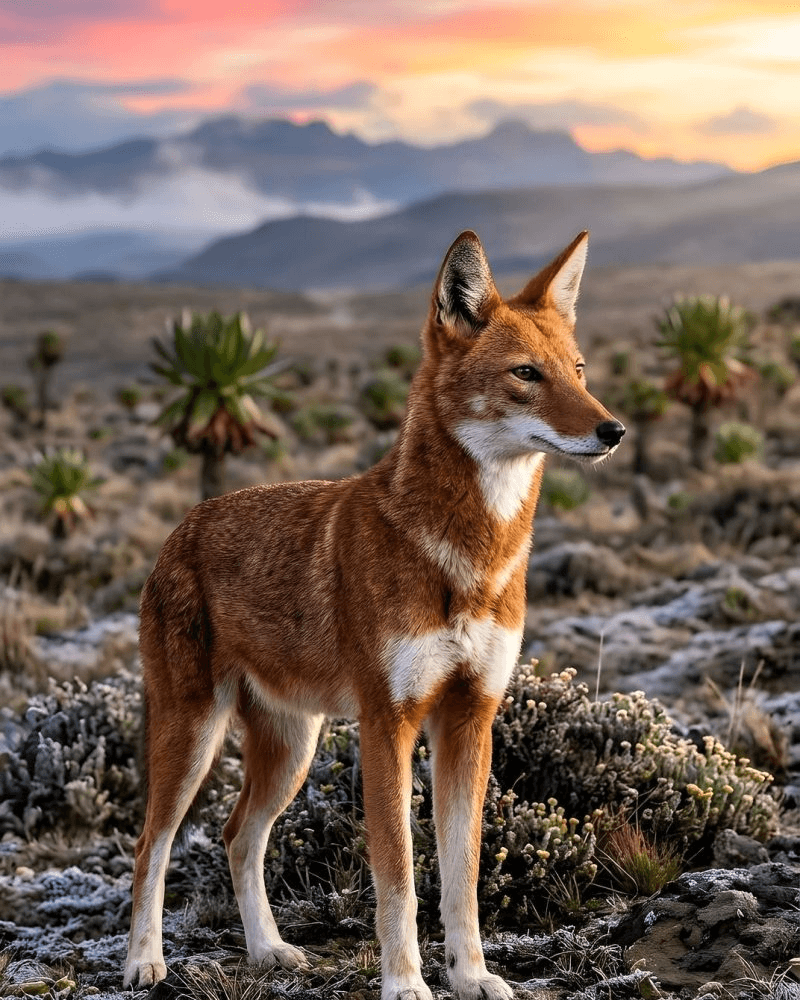
Tracking the Endangered Ethiopian Wolf Across the Afro-Alpine Sanetti Plateau
At 4,000 meters above sea level, Bale Mountains hosts more than half of the world’s surviving Ethiopian wolves. Here is what it feels like to track these amber-coated hunters with our specialist wildlife guides.