
Surviving the Danakil Depression: Heat, Salt Canyons & Glowing Lava Lakes
With ground temperatures surpassing 50°C (122°F) and terrain lying 125 meters below sea level, Danakil demands meticulous preparation. Here is your comprehensive guide to gear, hydration, safety, and photography.
Gizework
Expedition Director
Key Takeaways
- The expedition involves significant temperature extremes: intensely hot salt flats by day, brisk desert winds at the crater rim at night.
- Carry closed-toe sturdy hiking boots with heat-resistant soles; thin running sneakers can melt on hot basalt lava crust.
- Electrolytes are mandatory: you will easily lose 4 to 6 liters of fluid daily in the searing Afar heat.
- Sulfur fumes around Dallol require proper respiratory protection—bring an N95 mask or specialized bandana.
Entering the Cradle of Plate Tectonics
Guide's Field Tip
“Never touch or walk too close to the neon ponds at Dallol; the geothermal liquids are concentrated sulfuric acid and boiling saline.”
Night Ascent of Erta Ale: The Smoking Mountain
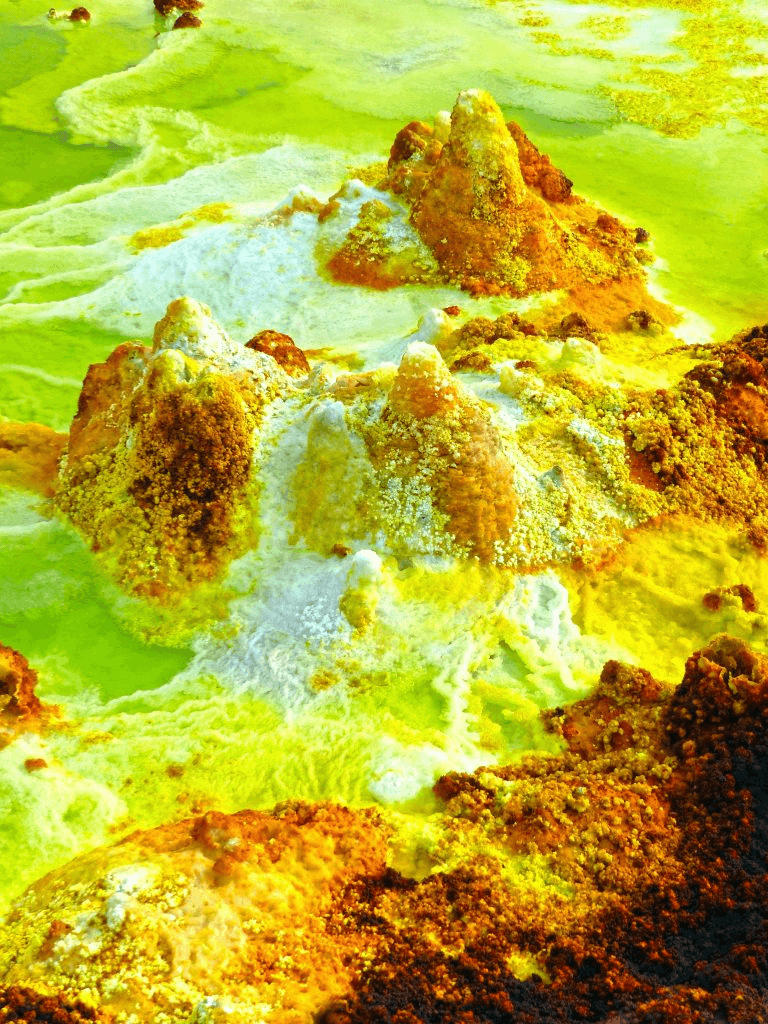
The stark, otherworldly expanses of the Afar desert.
Essential Packing Checklist for Danakil
Key Takeaways
• The expedition involves significant temperature extremes: intensely hot salt flats by day, brisk desert winds at the crater rim at night.
• Carry closed-toe sturdy hiking boots with heat-resistant soles; thin running sneakers can melt on hot basalt lava crust.
• Electrolytes are mandatory: you will easily lose 4 to 6 liters of fluid daily in the searing Afar heat.
• Sulfur fumes around Dallol require proper respiratory protection—bring an N95 mask or specialized bandana.
Entering the Cradle of Plate Tectonics
The Danakil Depression is where three tectonic plates—the Nubian, Somali, and Arabian—are pulling apart in slow geological motion. Located in northern Afar near the Red Sea border, it is officially classified as the hottest permanently inhabited place on the planet.
Yet despite its forbidding reputation, the visual spectacles here are unmatched anywhere on Earth. At Dallol, subterranean magma superheats brine waters, depositing neon yellow, turquoise, and rust-red mineral terraces that look like a psychedelic coral reef exposed to dry air. Nearby, camel caravans stretch along the horizon of Lake Assale, transporting hand-cut salt slabs as they have for millennia.
Guide’s Field Tip: Never touch or walk too close to the neon ponds at Dallol; the geothermal liquids are concentrated sulfuric acid and boiling saline.
Night Ascent of Erta Ale: The Smoking Mountain
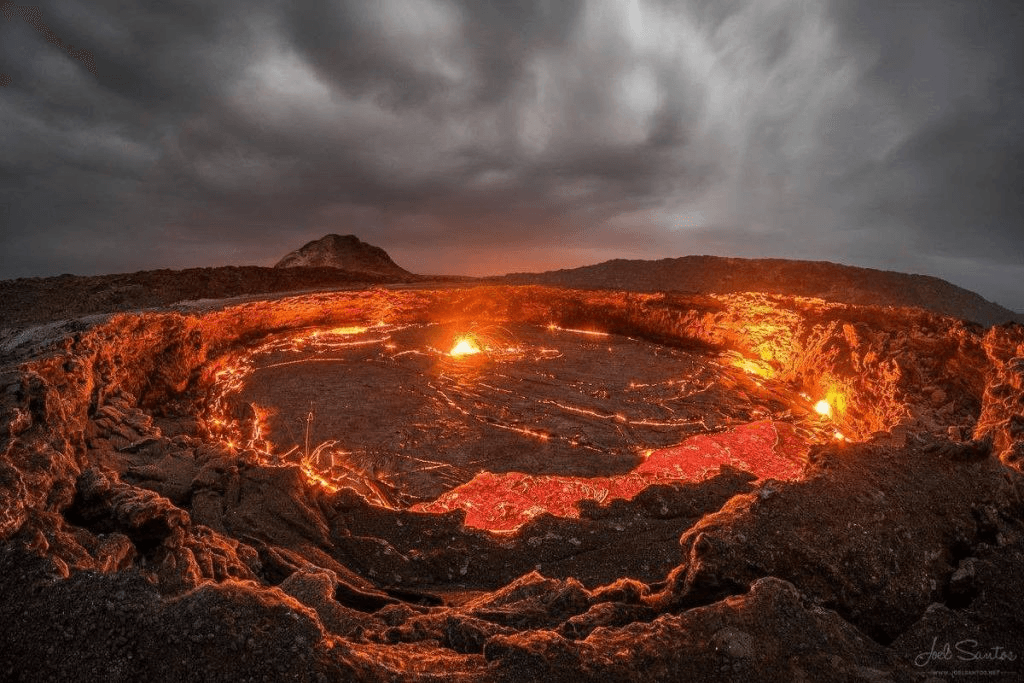
Erta Ale is one of only a handful of continuously active basaltic shield volcanoes on Earth. To avoid the blistering daytime sun, our groups begin the ascent from the base camp at sunset, trekking for 3 to 4 hours over black ropes of ropy pahoehoe lava under a blanket of desert stars.
Reaching the rim of the caldera in the pitch dark is unforgettable: the glowing orange glow of churning magma illuminates the night sky, accompanied by deep rumbles and hissing sulfur vents. Camp is pitched directly on the stone rim under the open sky.
Essential Packing Checklist for Danakil
Do not arrive in Danakil without these tested essentials:
1. **Footwear:** Sturdy, ankle-height boots with thick rubber soles (sharp volcanic rock shreds light shoes). 2. **Hydration & Electrolytes:** Minimum 5 liters of water daily plus Oral Rehydration Salts (ORS) packets. 3. **Clothing:** Lightweight long-sleeve linen or UPF50+ shirts for UV protection; warm fleece jacket for the windy crater rim. 4. **Camera Protection:** Sealed zip-top bags and a blower brush to protect delicate sensors from fine salty dust. 5. **Headlamp:** High-lumen lamp with extra rechargeable batteries for the nocturnal volcano trek.
4-Day Danakil Depression & Erta Ale Volcano Expedition
Handcrafted private expeditions in Danakil Depression & Erta Ale with certified local guides, private 4x4 vehicles, and complete logistical support.
More Stories from the Field
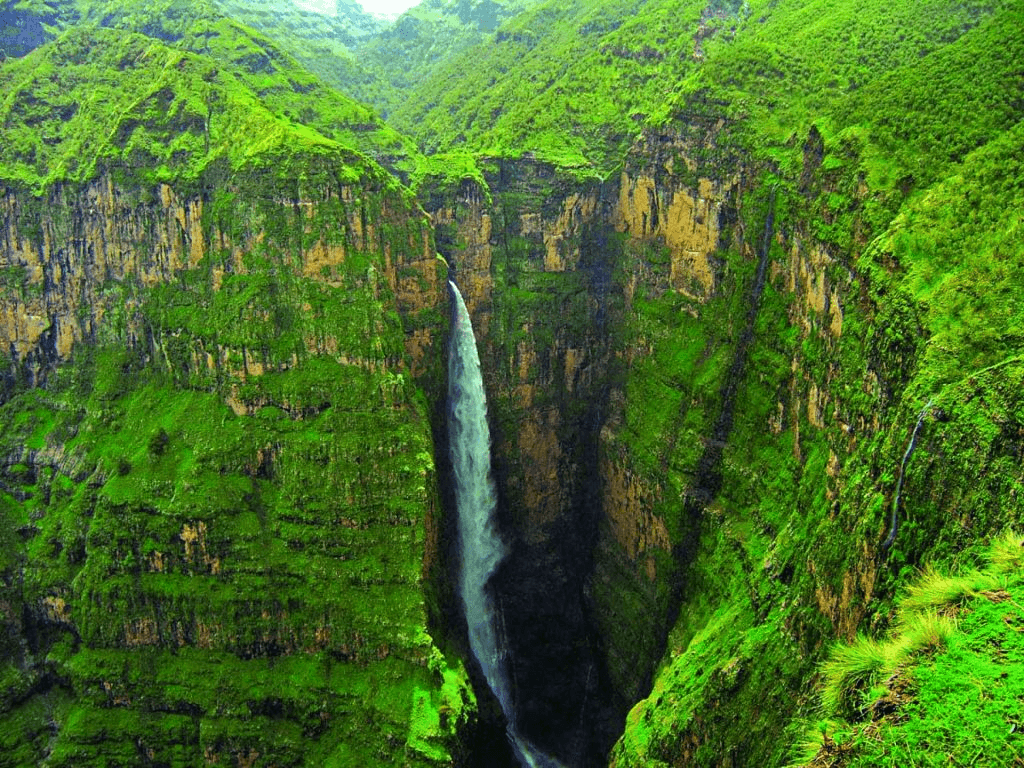
The Definitive Guide to Trekking the Simien Mountains: Peaks, Pinnacles & Gelada Troops
Trekking through the Simien Mountains is one of the world’s most cinematic wilderness experiences. Here is our field guide on routes, altitude acclimatization, wildlife encounters, and essential gear.
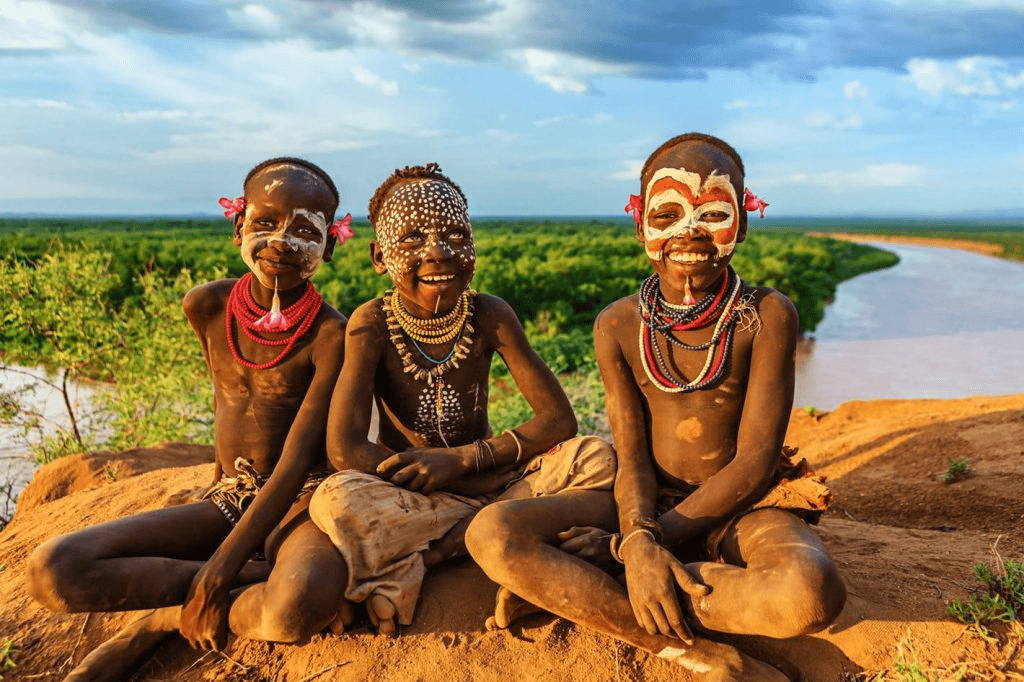
Visiting Ethiopia’s Omo Valley: A Responsible Guide to Living Cultures
The Omo Valley is home to extraordinary cultural diversity. This guide covers etiquette, photography consent, market days, and how to choose an operator that pays communities fairly.
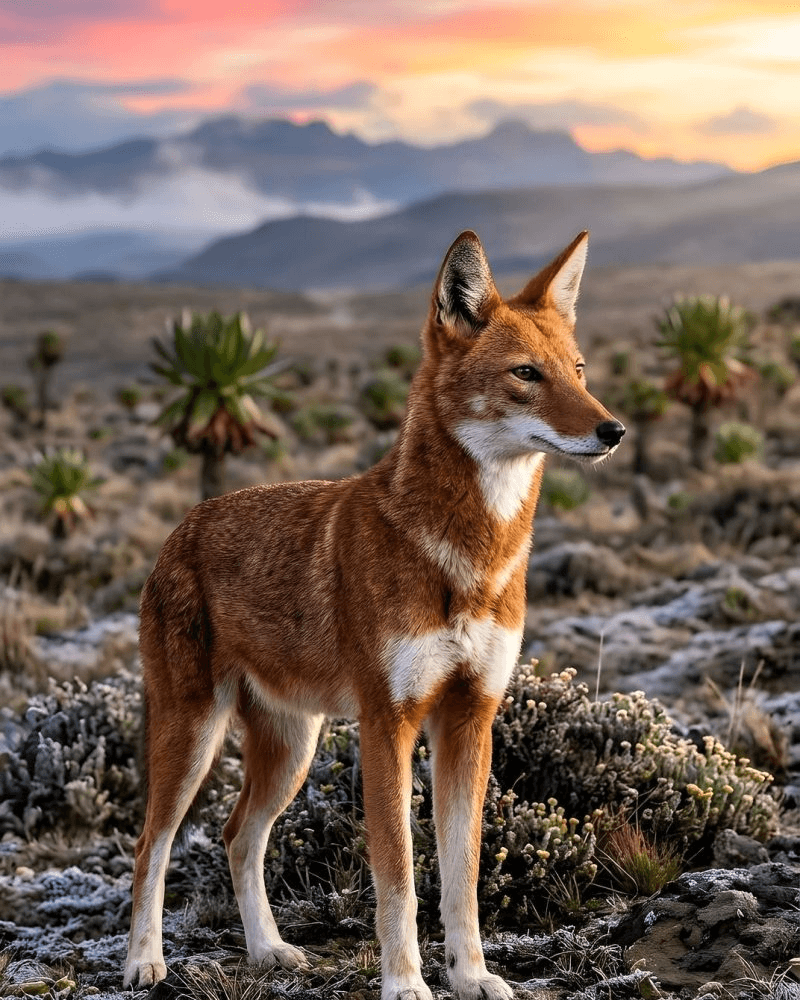
Tracking the Endangered Ethiopian Wolf Across the Afro-Alpine Sanetti Plateau
At 4,000 meters above sea level, Bale Mountains hosts more than half of the world’s surviving Ethiopian wolves. Here is what it feels like to track these amber-coated hunters with our specialist wildlife guides.