
Photographing Gelada Baboons: Ethics, Focal Lengths & Golden Hour on the Cliffs
Because Geladas are ground-dwelling and habituated to calm human presence, photographers can get extraordinarily close. Here is our field masterclass on shutter speeds, lighting, and respectful wildlife etiquette.
Gizework
Lead Expedition Guide & Photographer
Key Takeaways
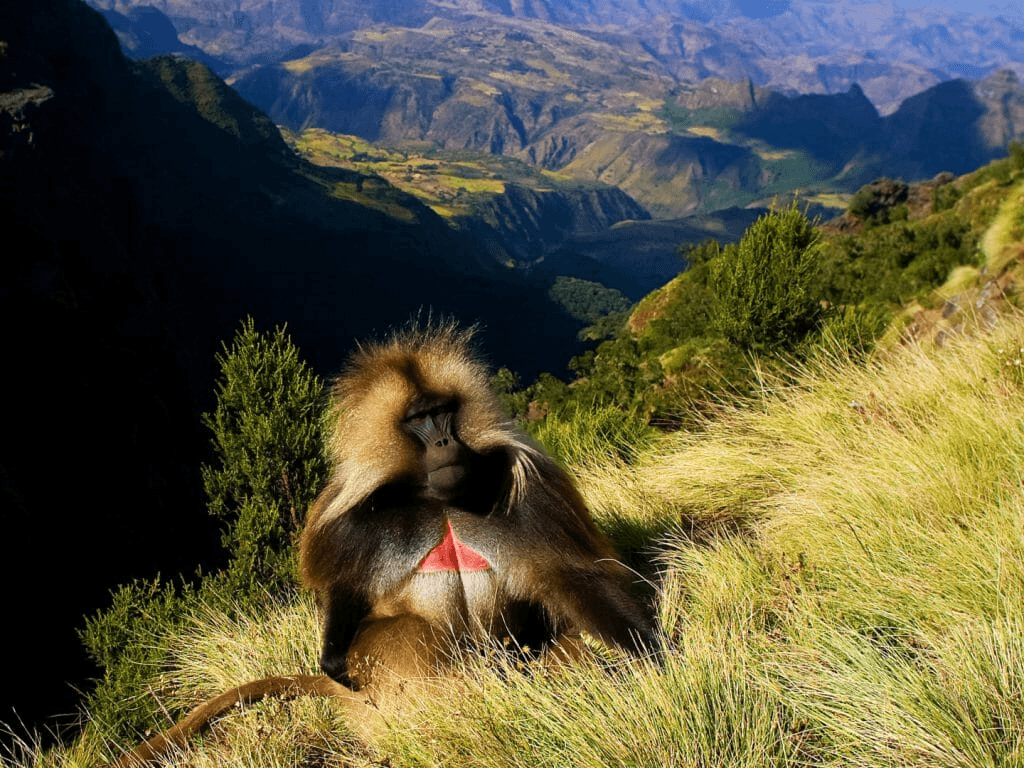
- Geladas retreat to sleep on sheer vertical cliff faces every sunset to avoid leopards and hyenas, ascending to the plateau tops at sunrise.
- A 70-200mm f/2.8 or 100-400mm zoom lens is the ideal focal range—offering both intimate portraits and environmental context with dramatic drop-offs.
- Always position yourself down-slope or at eye level; towering above feeding troops can trigger alarm vocalizations.
- Morning golden hour (7:00–9:00 AM) produces warm sidelight that illuminates the golden manes of mature alpha males.
Understanding Gelada Troop Dynamics
Mastering the Clifftop Composition
Guide's Field Tip
“Use continuous autofocus with eye-tracking enabled, and set your shutter speed to at least 1/800s to freeze rapid grooming motions and facial gestures.”
Key Takeaways
• Geladas retreat to sleep on sheer vertical cliff faces every sunset to avoid leopards and hyenas, ascending to the plateau tops at sunrise.
• A 70-200mm f/2.8 or 100-400mm zoom lens is the ideal focal range—offering both intimate portraits and environmental context with dramatic drop-offs.
• Always position yourself down-slope or at eye level; towering above feeding troops can trigger alarm vocalizations.
• Morning golden hour (7:00–9:00 AM) produces warm sidelight that illuminates the golden manes of mature alpha males.
Understanding Gelada Troop Dynamics
Geladas (Theropithecus gelada) are extraordinary primates. They eat almost exclusively fresh grasses, roots, and seeds, shuffling forward on their haunches for hours while maintaining complex vocal chatter with other troop members.
Adult males possess majestic, lion-like manes and long canine teeth, yet they use these teeth primarily for intimidation displays (known as "lip-flips") rather than hunting. Because they are not predatory and have lived alongside highland farmers for centuries, their tolerance for quiet human presence is remarkably high.
Mastering the Clifftop Composition
The most striking Gelada photographs are not simple headshots—they are environmental compositions that juxtapose the primate with the vertical 1,000-meter drop of the Simien escarpment.
Arrive at the cliff edge near Sankaber or Chennek just as dawn breaks. The troop will slowly climb up over the stone rim, grooming each other to warm up in the early rays. By staying low and keeping your movements slow, you can shoot backlit profiles where the golden light catches the edges of their fur.
Guide’s Field Tip: Use continuous autofocus with eye-tracking enabled, and set your shutter speed to at least 1/800s to freeze rapid grooming motions and facial gestures.
5-Day Simien Mountains Trekking & Gelada Baboons Safari
Handcrafted private expeditions in Simien Mountains National Park with certified local guides, private 4x4 vehicles, and complete logistical support.
More Stories from the Field
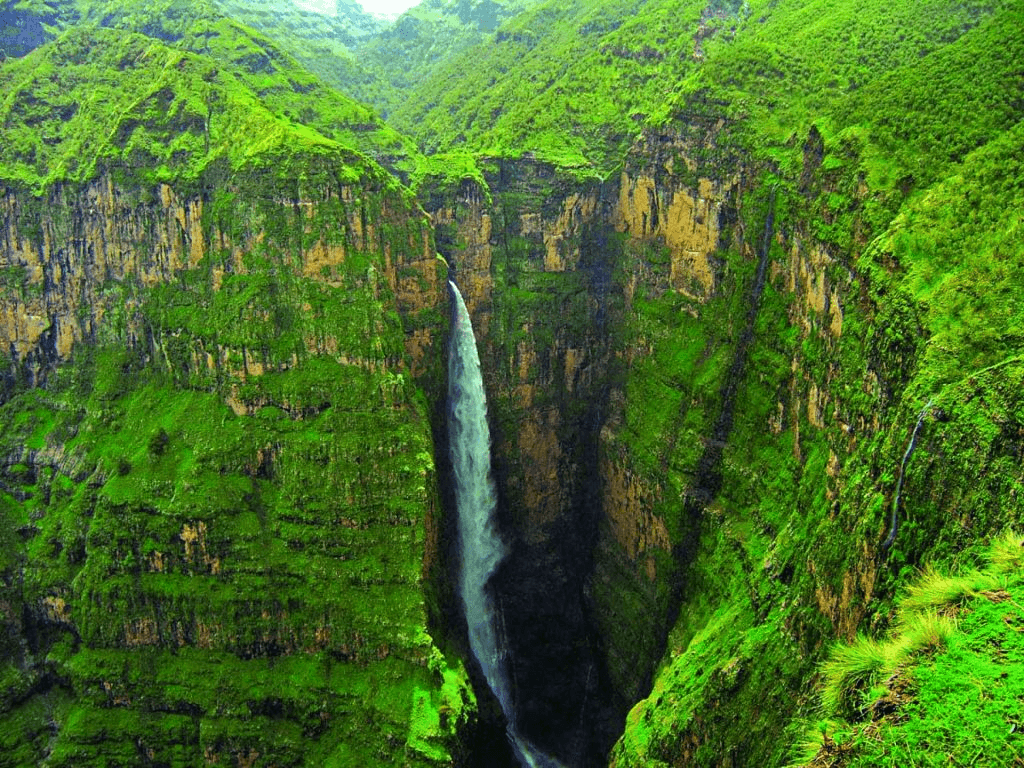
The Definitive Guide to Trekking the Simien Mountains: Peaks, Pinnacles & Gelada Troops
Trekking through the Simien Mountains is one of the world’s most cinematic wilderness experiences. Here is our field guide on routes, altitude acclimatization, wildlife encounters, and essential gear.
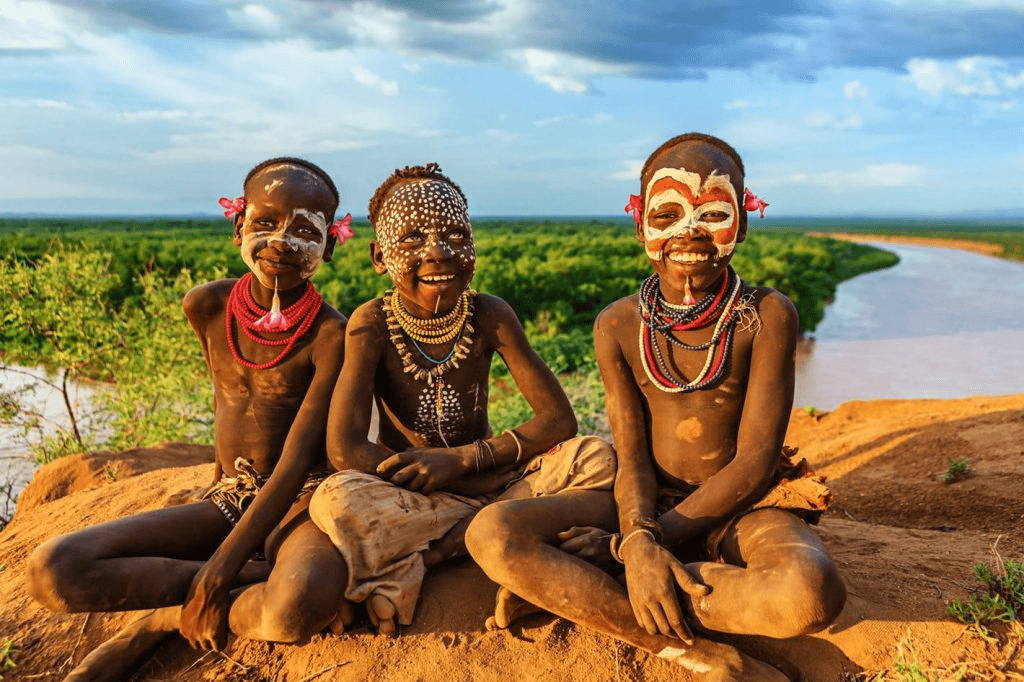
Visiting Ethiopia’s Omo Valley: A Responsible Guide to Living Cultures
The Omo Valley is home to extraordinary cultural diversity. This guide covers etiquette, photography consent, market days, and how to choose an operator that pays communities fairly.
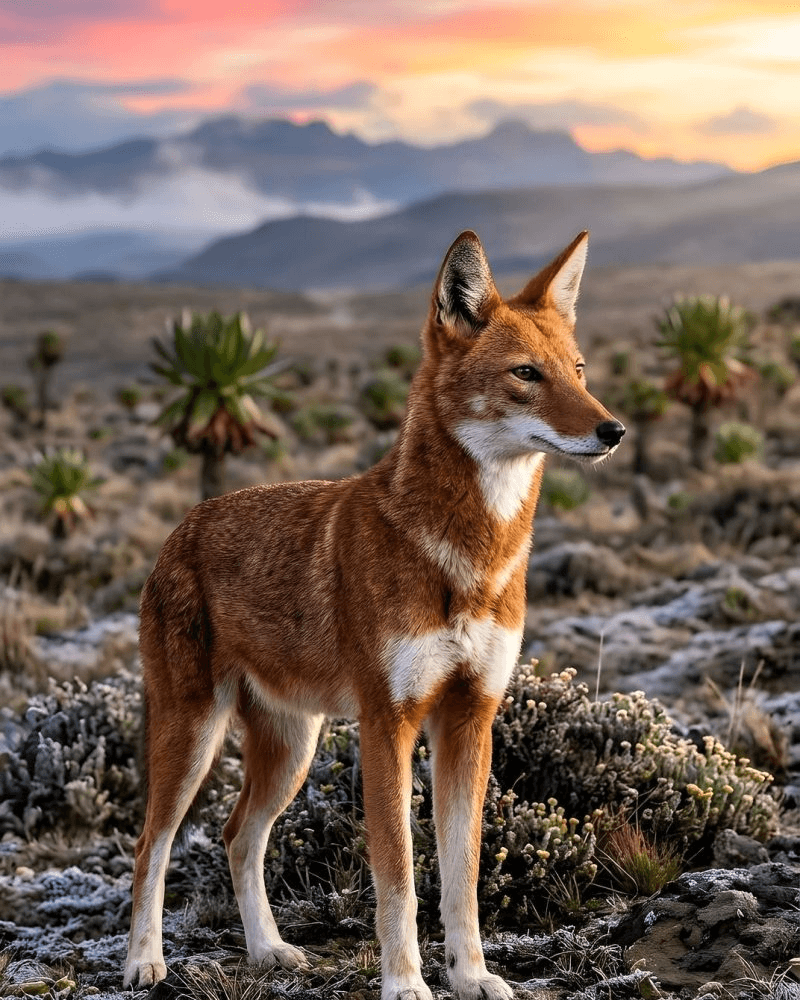
Tracking the Endangered Ethiopian Wolf Across the Afro-Alpine Sanetti Plateau
At 4,000 meters above sea level, Bale Mountains hosts more than half of the world’s surviving Ethiopian wolves. Here is what it feels like to track these amber-coated hunters with our specialist wildlife guides.