
High-Altitude Trekking in the Ethiopian Highlands: Acclimatization, Gear & Fitness
Trekking above 3,500 meters in the Simien and Bale ranges requires a blend of aerobic conditioning, sensible pacing, and meticulous thermal layering. Here is how our expedition leaders prepare travelers for success.

Gizework
Operations & Mountain Safety
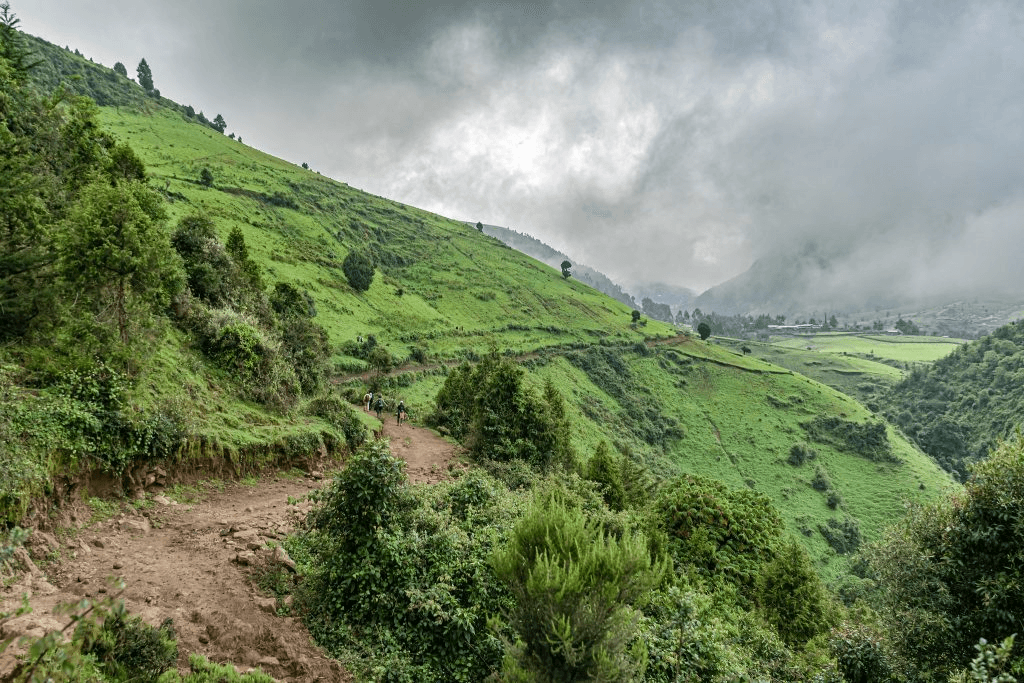
Key Takeaways
- Plan an incremental ascent profile: never gain more than 500 meters of sleeping altitude per day once above 3,000m.
- Hydration is non-negotiable: dry mountain air accelerates respiratory moisture loss; drink electrolytes with water.
- Trekking poles reduce knee impact by up to 25% on steep descents into valleys like Jinbar and Chennek.
- Invest in broken-in waterproof hiking boots with rigid shank support for scree and rocky trails.
Understanding Altitude in Ethiopia
Physical Conditioning Before You Depart
Guide's Field Tip
“Consult your travel physician before departure regarding Diamox (acetazolamide) if you have a history of altitude sensitivity.”
Key Takeaways
• Plan an incremental ascent profile: never gain more than 500 meters of sleeping altitude per day once above 3,000m.
• Hydration is non-negotiable: dry mountain air accelerates respiratory moisture loss; drink electrolytes with water.
• Trekking poles reduce knee impact by up to 25% on steep descents into valleys like Jinbar and Chennek.
• Invest in broken-in waterproof hiking boots with rigid shank support for scree and rocky trails.
Understanding Altitude in Ethiopia
Many travelers are surprised to learn that Ethiopia contains more than 70% of all land in Africa above 2,500 meters. Cities like Addis Ababa sit at 2,355m, and Gondar at 2,133m. This geographic blessing means you already start with mild acclimatization before your boots touch trail.
However, once you push toward Sankaber (3,250m), Geech (3,600m), Chennek (3,620m), or Ras Dashen (4,543m), atmospheric pressure drops significantly. Symptoms like mild headaches or insomnia can occur if you hike too fast. The golden rule of high altitude is "climb high, sleep low"—which our route itineraries naturally incorporate.
Physical Conditioning Before You Depart
You do not need to be an ultra-marathoner to enjoy trekking in Ethiopia, but good cardiovascular endurance and leg strength will dramatically increase your enjoyment of the scenery.
Focus your preparation 8 to 12 weeks prior: • Regular stair climbing or inclined treadmill hikes carrying a 5–8kg daypack. • Core strengthening and leg work (squats, lunges, step-ups) to stabilize your knees on uneven scree. • Long weekend hikes over varied terrain.
Guide’s Field Tip: Consult your travel physician before departure regarding Diamox (acetazolamide) if you have a history of altitude sensitivity.
All Tour Packages & Custom Highland Itineraries
Handcrafted private expeditions in Simien & Bale Mountains with certified local guides, private 4x4 vehicles, and complete logistical support.
More Stories from the Field
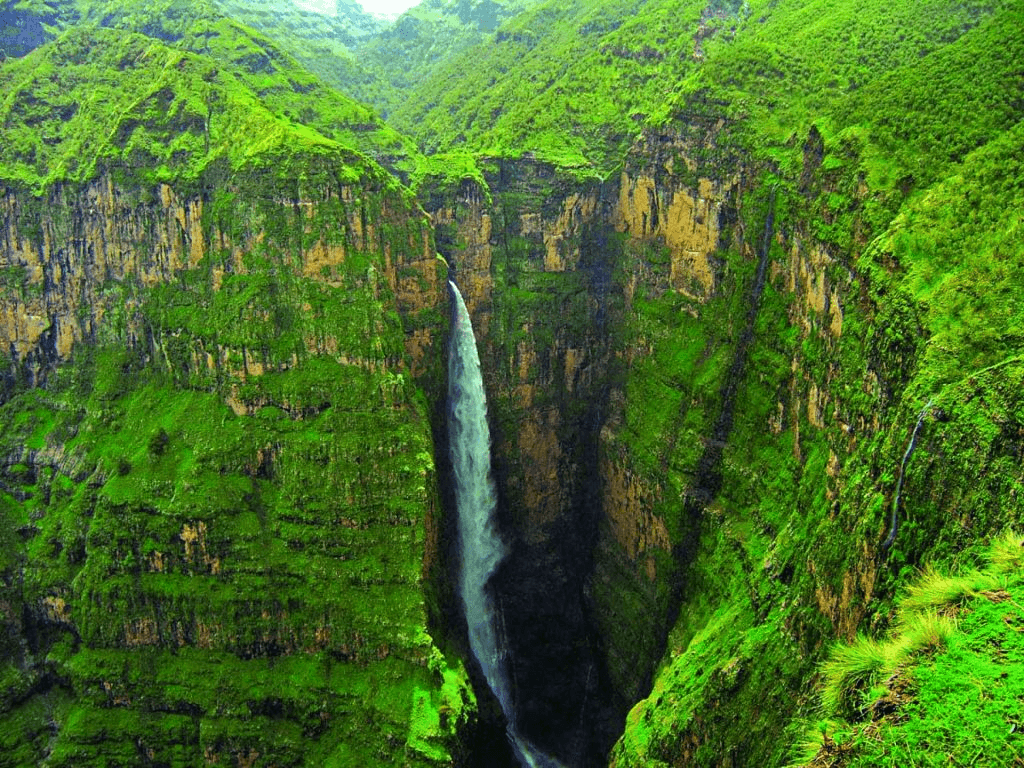
The Definitive Guide to Trekking the Simien Mountains: Peaks, Pinnacles & Gelada Troops
Trekking through the Simien Mountains is one of the world’s most cinematic wilderness experiences. Here is our field guide on routes, altitude acclimatization, wildlife encounters, and essential gear.
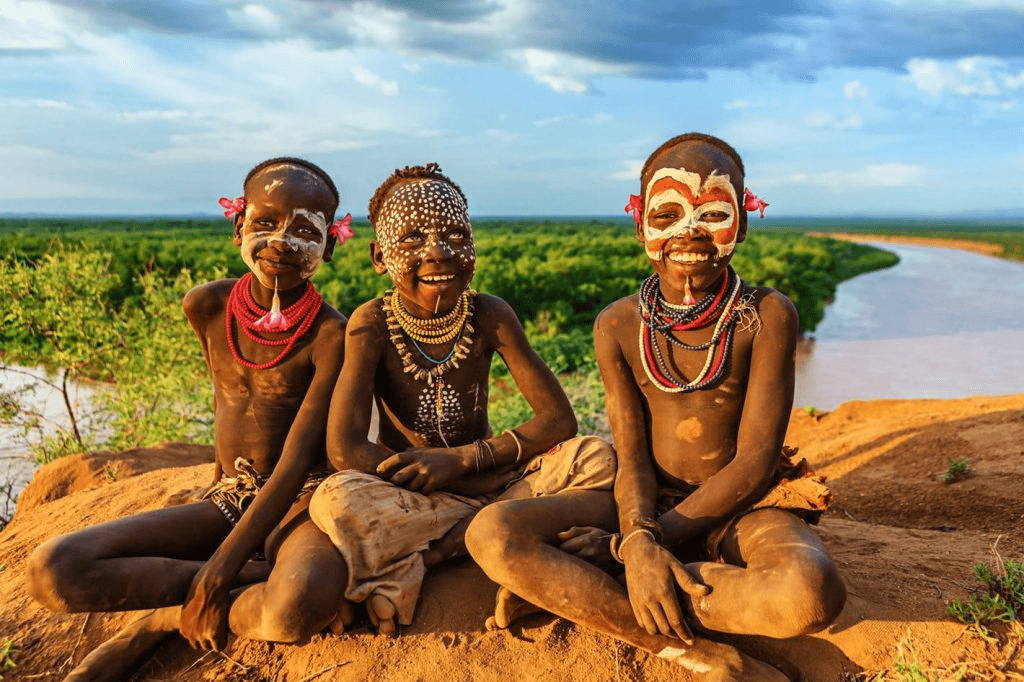
Visiting Ethiopia’s Omo Valley: A Responsible Guide to Living Cultures
The Omo Valley is home to extraordinary cultural diversity. This guide covers etiquette, photography consent, market days, and how to choose an operator that pays communities fairly.
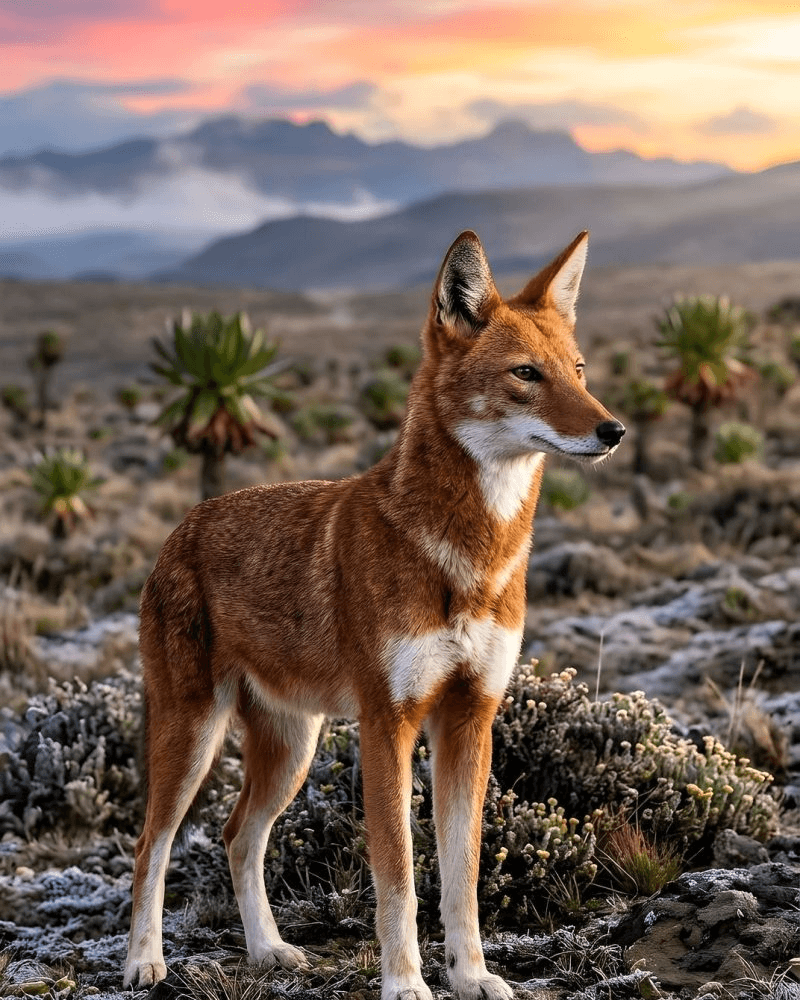
Tracking the Endangered Ethiopian Wolf Across the Afro-Alpine Sanetti Plateau
At 4,000 meters above sea level, Bale Mountains hosts more than half of the world’s surviving Ethiopian wolves. Here is what it feels like to track these amber-coated hunters with our specialist wildlife guides.