
Lalibela Unveiled: The Living Spirituality of Ethiopia’s 12th-Century Rock Churches
Lalibela is not an archaeological museum—it is a thriving spiritual pilgrimage destination where ancient Ge’ez hymns echo through sandstone vaults every morning at dawn.
Gizework
Cultural Historian & Northern Circuit Guide
Key Takeaways
- The 11 monolithic and semi-monolithic churches were chiseled downward into the bedrock in the 12th and 13th centuries under King Lalibela.
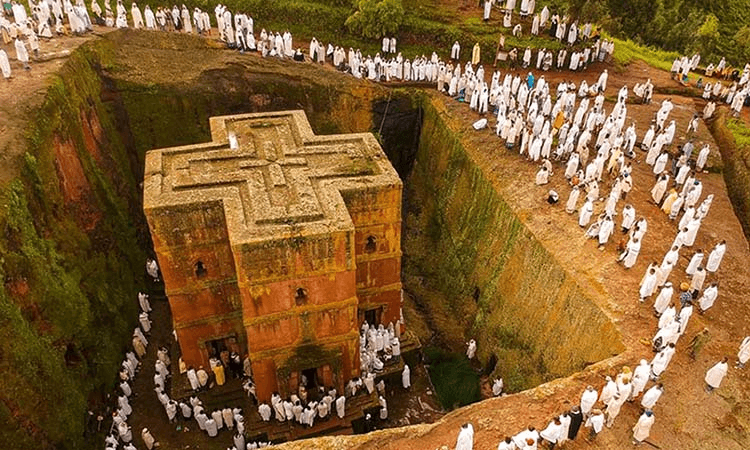
- Bete Giyorgis (Church of St. George) represents the pinnacle of craftsmanship, sculpted in the shape of a perfect Greek cross.
- Visitors must remove shoes before entering church interiors; wear slip-on shoes with thick socks for comfort on cool stone floors.
- Attending a morning mass at dawn provides a window into sacred rituals virtually unchanged for eight centuries.
New Jerusalem in the Lasta Mountains
Navigating the Church Clusters
Guide's Field Tip
“A licensed local guide is critical: the symbolic theology, hidden relief carvings, and Ge’ez inscriptions require deep cultural knowledge to truly appreciate.”
Festivals: The Wonder of Genna and Timkat
Key Takeaways
• The 11 monolithic and semi-monolithic churches were chiseled downward into the bedrock in the 12th and 13th centuries under King Lalibela.
• Bete Giyorgis (Church of St. George) represents the pinnacle of craftsmanship, sculpted in the shape of a perfect Greek cross.
• Visitors must remove shoes before entering church interiors; wear slip-on shoes with thick socks for comfort on cool stone floors.
• Attending a morning mass at dawn provides a window into sacred rituals virtually unchanged for eight centuries.
New Jerusalem in the Lasta Mountains
When Muslim conquests captured Jerusalem in 1187, King Gebre Mesqel Lalibela sought to build an African replica of the Holy City in the high mountain redoubts of Roha. Rather than constructing walls upward with stone and mortar, his royal stonemasons carved downward into the red volcanic basalt, sculpting doors, windows, colonnades, drainage trenches, and catacombs entirely out of living bedrock.
Today, Lalibela stands as one of humankind’s greatest architectural triumphs. Walking through the narrow, high-walled trenches feels like slipping into the pages of early medieval history.
Navigating the Church Clusters
The churches are divided into two main clusters divided by the symbolic River Jordan, plus the standalone masterpiece of Bete Giyorgis:
• **The Northern Group:** Home to Bete Medhane Alem (the largest monolithic rock-hewn church in the world), Bete Maryam with its exquisitely carved ceiling reliefs, and the underground crypts of Golgotha.
• **The Eastern Group:** Connected through dark subterranean tunnels, including the twin shrines of Bete Gabriel-Rufael and Bete Amanuel. Walking in total darkness through the "Tunnel of Purgatory" with your fingertips on smoothed rock walls is an unforgettable pilgrimage ritual.
• **Bete Giyorgis:** Perched isolated on a stone terrace, this three-tiered cruciform monument is the ultimate symbol of Lalibela. Look into the carved pools below where baptismal waters gather during Timkat.
Guide’s Field Tip: A licensed local guide is critical: the symbolic theology, hidden relief carvings, and Ge’ez inscriptions require deep cultural knowledge to truly appreciate.
Festivals: The Wonder of Genna and Timkat
If your travel dates coincide with early January, Lalibela hosts the most vibrant Christian celebrations in Africa: Genna (Ethiopian Christmas, January 7) and Timkat (Epiphany, January 19). Tens of thousands of white-robed pilgrims converge upon the trenches carrying brass crosses, beating kabaro drums, and singing ancient polyphonic prayers through the night.
2 Days Lalibela Rock-Hewn Churches Tour
Handcrafted private expeditions in Lalibela & Lasta Highlands with certified local guides, private 4x4 vehicles, and complete logistical support.
More Stories from the Field
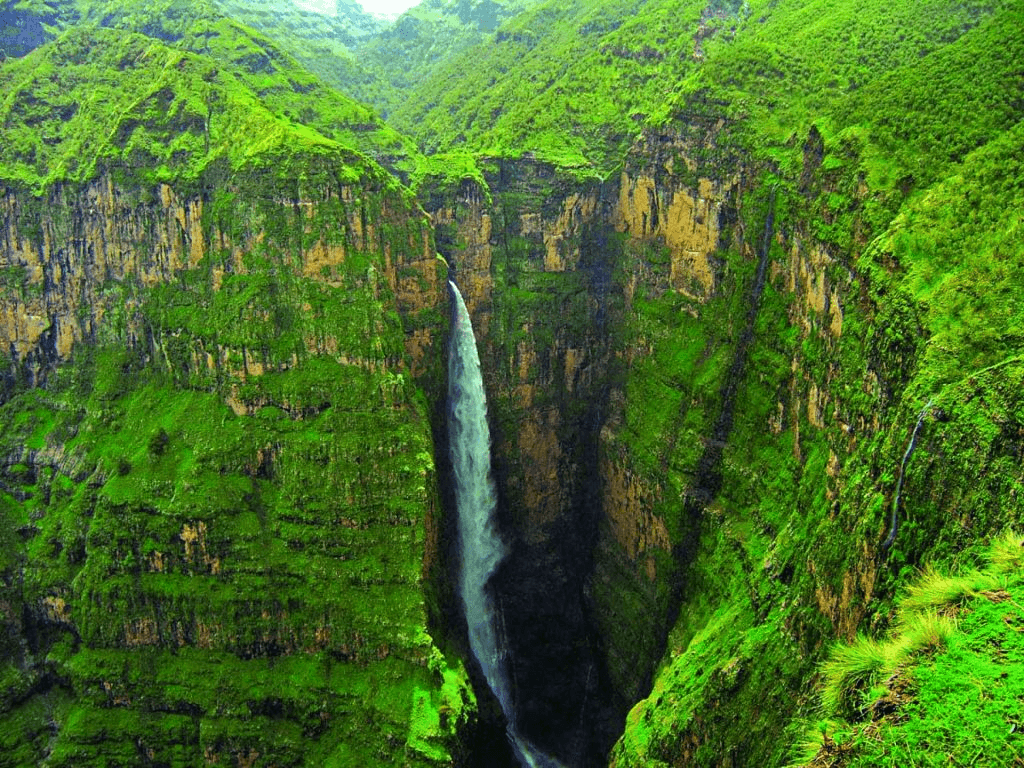
The Definitive Guide to Trekking the Simien Mountains: Peaks, Pinnacles & Gelada Troops
Trekking through the Simien Mountains is one of the world’s most cinematic wilderness experiences. Here is our field guide on routes, altitude acclimatization, wildlife encounters, and essential gear.

Visiting Ethiopia’s Omo Valley: A Responsible Guide to Living Cultures
The Omo Valley is home to extraordinary cultural diversity. This guide covers etiquette, photography consent, market days, and how to choose an operator that pays communities fairly.
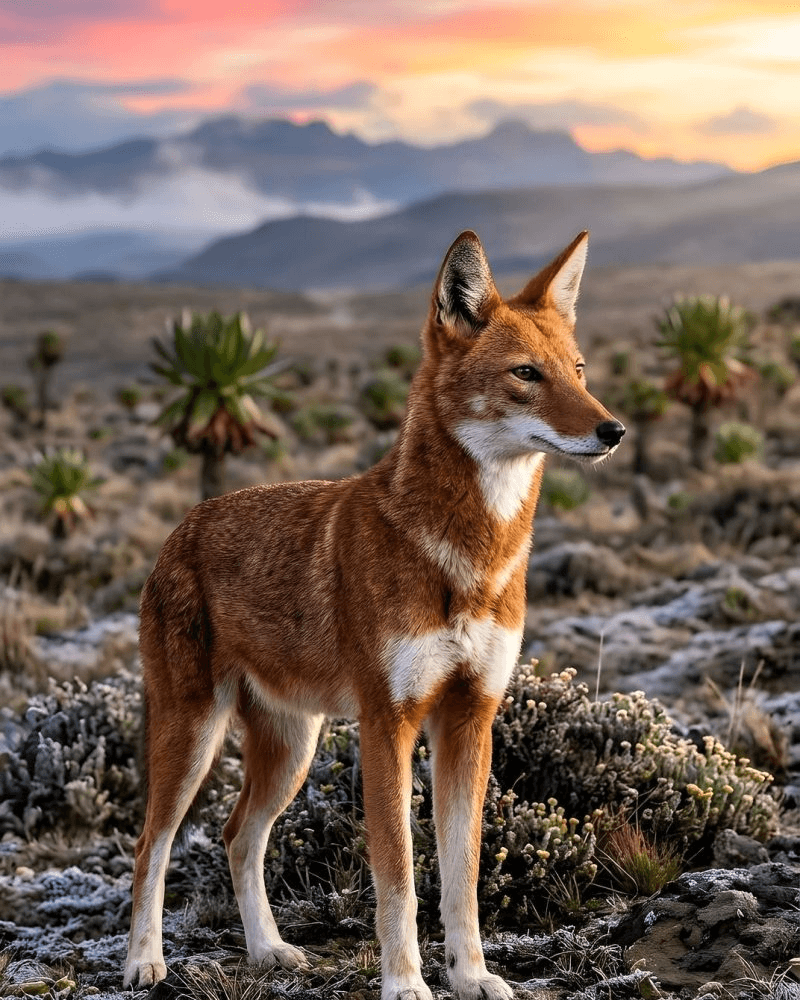
Tracking the Endangered Ethiopian Wolf Across the Afro-Alpine Sanetti Plateau
At 4,000 meters above sea level, Bale Mountains hosts more than half of the world’s surviving Ethiopian wolves. Here is what it feels like to track these amber-coated hunters with our specialist wildlife guides.